Es Bueno
Contact Me!These are some of my friends & peers I've been lucky enough to meet over the years in this industry. I would encourage you to reach out to any of them yourself.
 Adam DarowskiPassionate designer/developer. I was lucky enough to work with Adam and wish it never had to stop. Music lover.
 Chuck AndersonSuch a rad designer. Huge fan of Chuck's work. Beat him 2 years in a row in his own Fantasy Football league.
 Todd PetersonBFF. We were friends back when Dave Abbruzzese was the drummer in Pearl Jam.
 Mike MeyerFirst employee of Bold. Talented designer, more talented developer. SF transplant, South African native.
 Shaun MoynihanShaun was one of the first designers whose work made me giddy. Incredibly talented designer.
 Josh JohnsonHands down, the best PM I've worked with. Great friend and collaborator.
 Sacha GreifIncredible developer, documentor of all things Javascript and founder of the popular Sidebar email.
 Chris CoyierJust _the_ man when it comes to CSS. I mean, @css, come on. Super sweet guy, just an incredible resource for our us.
 Benjamin ListwonOne of the first people I met in the industry. Stoked to have stayed connected over the years. Insanely talented dev.
 Connor SearsGithub, Twitter, Pinterest & Facebook. He's been at all of them. Don't sit on Connor, talent is his middle name.
 Tegan MierleTalented designer working @Twitter. Even more talented photographer. Check out Tegan's work!
 Matt CookMatt is the guy you call when you want to get a project done. Producer and Director. Greenville Grok host.
 Paul StamatiouI'm such a big fan of Paul's work. His blog showcasing his travels & photography is next level.
 Ryan GoodmanDesigner @Facebook. Previously Twitter, Apple & Beats. NBD. It's cool guys.
  Bob BaxleyOne day I hope to meet Bob and gleen some of his design leadership wisdom. Until then...
 Ben PeckCo-founder of Front Conference. Talented design leader, and one of the nicest guys you'll ever meet.
 Marc EdwardsFounder and designer at Bjango—a talented software company. Love his icon speed runs.
 Marco SuarezDesigner, coffee shop owner, rad human, sharer of the Babelube.
 Josh HemsleyIncredible designer, like way talented. Awful nice guy. You'd be lucky to hang with Josh.
 Nicole WarshauerEx co-worker, talented Brand Director and all around rad lady. I'm lucky to call her friend.
 Aaron EpsteinGood friend. Incredible leader. I would jump at the chance to work with Aaron again. Helping out at Y Combinator now.
 David KanedaCo-founder of Ask Spoke. OG designer/developer. Great, great guy.
 Jay FanelliGo way back with Jay, back to the early SXSW years. Full Stop, Cotton Bureau and now Duo Lingo.
  Jim EllistonJimmy E. D ME. Pen one five, Clover, Wildland.
 Sarah KuehnleEx co-worker, talented designer and design leader and the kicker of cancer's ass.
 Nick SloggettNick is one of the most passionate people I know. One hell of a designer too.
 Tatiana Van CampenhoutTatiana is a very talented designer who left SF for the PNW. Keep an eye out for her!
 Matt BorchertEx co-worker, amazing UXer, passionate about everything he touches. Itching to work with Matt again.
 Joshua BlankenshipOld friend. Talented designer. Fantastic musician. Straight shooter. Hrtwrk.
 Jasmine FriedlI haven't been lucky enough to meet Jasmine yet, but I love watching what she's doing at Intercom.
 Harold EmsheimerOne of my oldest friends. Mentor. Killing the design game since black and white screens.
 Garrett DimonI have long admired Garrett as one of the OG's in the early web days. An early successful entrepreneur in the space.
 Ben CallahanAlways been an admirer of Ben and the way he runs his shop Sparkbox. A genuinely good guy.
 Meagan Fisher CouldwellAmazing designer, met her back in the original Dribbble days. Mother of twins!
 Chandler Van De WaterThe guy you want with you everywhere. Talented designer. Family man. If you're anywhere near him, be sure to say hi.
 Mark WeaverI've always been a huge fan of Mark's design work. Would love to work with him one day.
 Larissa MeekDesigner turned Creative Director. She continues to slay all the things.
 Keegan JonesNicest guy you'll ever meet. Did that thing with MySpace way back. Design/Dev unicorn.
 Courtney BradfordRuns a studio with her sister where they put out beautiful, considered user experiences on the web. Will out climb you.
 Nick JonesFront-End genius. I wish I had half the talent that Nick has. Total sweetheart of a guy too.
 Josh BrewerOld friend. Designer turned founder at Abstract. Josh is a good guy to know.
 Jon ChristopherOld friend still killing it at the front-end game. One-half of the awesome duo over at Iron to Iron.
 Joel GlovierSuch a great guy, I'm a big fan of Joel and all his creative work. Sk8r.
 Chris ShiflettCommunity organizer. Genuine sweetheart. Talent web craftsman. Co-founder of Brooklyn Beta. Friend.
 Alex Estrada ClineStrong design leader. Cool mom. Chasing her dreams—a real inspiration to many.
 Anthony ArmedarizBeyond talented, designer, founder, studio owner. Anthony is the real deal and is leading the way with his shop Funsize.
 Andrew CrowUsed to lead design at Strava, now he does it at Tonal. Always showing me things I need in my garage.
 Adam SimpsonTalented front-end developer from Sparkbox. Yuge NBA fan. Yuge.
 Brian HoffSlinging pixels from before you were even old enough to work a mouse. One of the OG's always pushing killer work.
 Bronwyn GruetIt's hard to sum up how talented Bronwyn is in a sentence or ten. I'm such a fan. Ex-co-worker. Cat mama.
 Benjamin Earl-EvansInclusive design leader at AirBnB. I've yet to meet Benjamin, but I hope to one day.
 Cameron MollFew people are nicer or more talented than Cameron. Anyone is lucky to call him friend. One of the true OG's.
 Jonathan SnookI learned so much from Jonathan in the early days of my career. He was one of the first designer/dev I discovered.
 Jeff SheldonI met Jeff at SXSW. He was just getting Ugmonk going. Look at him now. No really, no joke. Look at him now.
 Dustin SenosTalented engineer with an eye for design. Making thoughtful software for our modern world.
 Noah LevinA fellow Noah, what's not to love? Noah is leading the incredible design team at Figma, my BFF.
 Josh PigfordSerial entrepreneur, owner of the amazing Baremetrics.
  Drew BarontiniTalented developer, seeker of the right way and efficiency. Would love to work with Drew again.
 Gabriel ValdiviaI've never had the chance to meet Gabriel, but I have long admired his work from afar.
 Matt D. SmithMatt is a jack of all trades. Designer, developer, videographer, and father of a basketball team.
 Charlie PrattBrother from another mother. Good friend. Bold alum. Talented designer. Loves all the good tunes.
 Jeffrey ZeldmanJeffrey gave me one of my first breaks allowing me to write for A List Apart—twice.
 Greg LutzeI've been a fanboy since back in the Asterik days. So stoked to see him leading the company he co-founded, VSCO.
 Jeremy PinnixTalented engineer who has been around the block and then some. Super nice guy. Hope to work with him one day.
 Ryan DuffyRyan is a multi-faceted designer and friend. We met at a SXSW that I will never forget.
 Jory RaphaelIconmaster. All around great guy. North East designer.
 Pablo StanleyPablo is so very talented. He's a designer. He's a comedian. He's a lover of open-source.
 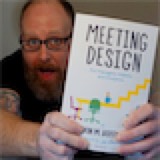 Kevin HoffmanOG from way back. Kevin is a fantastic designer who wrote _the_ book on effective meetings.
 Joshua DeckerFounder and CEO of Tagboard. Huge Seahawks fan—I'll let that slide.
 Ryan MorrisonTalented designer from here in SLO. He's leading brand designer over at Webflow. Keep an eye out.
 Yaron SchoenYaron and I go way back. Kinda MIA from Twitter these past few years, still a rad guy/talented designer.
 Sam SoffesSam is an incredibly talented developer. I was lucky enough to work with him on a project. You'd be lucky to as well.
 Mackey SaturdayCoolest name ever. Skater and designer. He's made logos you've seen before. NBD. Nicest guy.
 Luke JonesFunny guy. Incredible product designer. He gets it where many others don't. British. Ex co-worker.
 Jeremy CowartAn inspiration to me and many others. A true lover of people; passionate artist and photographer.
 Khoi VinhOne of the originals, Khoi is beyond his years in talent and experience. I feel lucky to have connected with him.
 Kurt VarnerDesigner turned world-traveler. Kurt has got a super inspirational story, I love following along.
 Dan DenneyTalented front-end developer and founder of the Front-End Conference every year down in Florida.
 Carolyn WoodSuch an incredible editor; a true craftsman of words. Kind and gentle heart—a real friend.
 Jack McDadeRetro designer. Creator of Statamic, no big deal. What can't he do?
 Harry RobertsI watched Harry go from talented developer to world famous developer. Go Harry Go!
 Gerren LamsonFriend, mentor, designer, father. A kind soul always willing to lend a hand. Talented beyond measure.
 Frank ChimeroWord smith. Designer. Worsmitner. What is there not to love about Frank? Anyone?
 Mark JardineOne half of the talented Tapbots team. I met Mark years ago, just the nicest guy you'll meet.
 Matt SpielGood friend, talented designer, more talented manager/leader. Slinging things over at Lyft. Thin.
 Stephen CaverMet Stephen when he was at Happy Cog. Really cool guy, even though he's a Dodger fan.
 Dan CedarholmThe man. The myth. The legend. The OG? The floor is open for disucssion. Sweetheart of a guy too.
 Kyle TurmanHaven't been lucky enough to meet Kyle yet, but I'm a big fan of what he did at Dropbox.
 Malthe SigurdssonI met Malthe at Rdio, and now he's responsible for the amazingness at Stripe.
  Tim Van DammeOne of those first designers who made my mind go "poof". Still killing it.
 Amy HoodWho knows what percentage of talent Amy is of the Hood Sisters but it's at least 50%. Funny, talented, killing the game.
 Jesse GardnerMulti-talented designer/developer jack of all trades, that's Jesse. Great guy to have a long conversation with.
 Michael yapLeading product design over at Etsy. I love Michael's timeline.
 Greg HoyAlways looked up to Greg and the incredible company he built in Happy Cog. One of the pioneers for us smaller shops.
 Tom WatsonOld friend. Talented designer, who has been around forever. Tall. Really very tall.
 Morgan KnutsonMorgan is a bad ass. He's done it all. We met over watermelon beers at 21st Amendment years ago!
 James HallATL wanna be rapper. Engineering leader, ex co-worker. Big fan.
 Ryan FreitasI've never met Ryan, but I've admired his work from afar. He's helping lead design at Facebook.
 Adam ClarkMusic fan. Designer. Developer. But above all, podcaster. Any chance to riff with Adam is time well spent.
 Cindy NguyenTalented no matter what the medium. I'm so lucky to be able to work with Cindy every day.
  Claudio GuglieriI've yet to have a chance to meet Claudio, but his work is incredible and something I have long admired.
 Stewart Scott-CurranOne time co-worker, talented designer, passionate friend. Would work with again 😉
 Shelby WhiteMet Shelby a long time ago. He's the unicorn designer/dev behind Designspiration.
 Shane MielkeShane is one of the first—an OG of OG's. Beyond talented designer. Equally beyond talented dev. He does it all.
 Kristy TillmanI haven't been lucky enough to meet Kristy yet, but I am a big fan of what she's doing with Made in the Future.
 Tony GinesTony is a talented designer who once lived here in SLO. He's the Lead at iFixIt.
 Stu SmithStu is a guitar-slinging design wielding Texas cowboy. You'd be lucky to know him.
 Andrei HerasimchukA true OG. Building Photoshop while you were trying to pirate it. Lucky enough to had the chance to work with Andrei.
 Marshall BockMarshall leads design at YouTube Gaming and is one half of the dynamic duo at Design Details.
 Bobby GraceOriginal Trello crew, now with Atlassian. Oh yeah, he also helped get Dropbox Paper built—one of my all time favs!
 Bryn JacksonHustling me back in the day to go on his podcast. That was only the beginning. Keep an eye on everything he does.
 Aaron MenteleOne of my favorites. Sharp, witty and beyond talented. Aaron is the co-founder of Electric Pulp, an OG shop.
 Jesse Bennet-ChamberlainOne of my fav designers of all time. Jesse is the king of beautiful details and color.
 Meg LewisMeg is amazeballs. Do not miss her contagious enthusiasm for life via a talk, a project or a course—she does it all!
 Todd DomineyOG. Todd has been around forever; one of the first designers whose work blew my mind.
 Nick SlaterJust one of my absolute favorite illustrators. I'm a big fan.
 Richard BanfieldI've been a fan of Richard's since I read Product Leadership & Design Sprint.
  Derek NelsonOne of my favorite designers that I'm lucky enough to call a friend. An Bold alum still slaying in Photoshop.
 Rogie KingFirst and foremost, friend. Second: designer, illustrator, community organizer, lover, dancer, and Disney fanatic.
 Mike DavidsonOG. Pearl Jam fan. Opinionated. Design leader. Seahawks fan—I'll let that slide tho.
 Joshua KrohnSuper jealous of Joshua's design chops. It's not really fair, really. Design Director at FocusLab.
 Brad SmithCo-founder of Neubix. If you know, then you know. Such a badass.
 Geoff TeehanOne of the first leaders I admired back in the Teehan+Lax days. Now leading in the most important space.
 Sam HernandezSam is one of my oldest friends. Nicest effing guy, talented dev and one hell of a bass player.
 Dave GamacheEarly in the first way of the tech scene of the late 2000's. Talented at just about everything. No idea where he is now.
 Lea BotwinickOne of my favs—I was so lucky to have worked with Lea—she is so good. I miss working with her.
 Helen TranDesigner, Teacher, Founder, Body Builder, Bad Ass. Helen is a force, one you'd love to have on your side.
 Liz MeyerBig fan of Liz. Lucky to have worked with her for a bit. Talent beyond measure. Illustrator.
 Ryhan HassanRyhan was over at Dropbox Paper when I was crushing _hard_ on it. Now he's leading design at Consider.
 Dan MallBeyond talented. The Beyonce of Design. You can quote me on that. Humble, kind, generous.
 Stewart ButterfieldStewart, you know, the guy who co-founded Slack. NBD. I love Stewart's insights and art curation.
 Zach FosterOld internet friend. Zach is one half of the talented FutureHaus duo. Excellent designer rocking the Mid West.
 Nathan SmithNathan is a _very_ talented developer. I've always been a big fan, he's been around forever.
 Doug BowmanOG designer. Like OG-OG. Such a kind guy, an inspiration to me and many others coming up. 41 shades of blue.
 Judson CollierJust about the best graphic designer I've met. He wants you to watch Marriage Story.
 Adam MichelaOne of the first people I met online. Early 2003/4. Talented at just about everything he touches. Helping founders now.
 Aaron StumpLook at that avatar. Come on. Stop it already. Aaron is helping lead design at Invision. Big shoe guy. Big.
 Marc HemeonDesigner who has touched so many incredible projects. Talent beyond measure; fellow surfer.
 Darius ‘Bubs’ MonsefI have yet to find a bigger heart in Silicon Valley, and well beyond, than Bubs. Talented in so many ways.
 Dave GreinerOne of the first out the door with Campaign Monitor way back in the day. Aussie. Surfer. Rad guy.
 Ryan WeaverHilarious, talented designer, guitar player, whiskey drinker. Loved my time working with Ryan.
 Trent WaltonAll-State Texas designer, typophile, car enthusiast and all around great guy.
 Ryan JohnsonBig e-gamer. One of the most talented designers I've had the pleasure of working with.
 Kory WesterholdDesigner, musician, friend. Kory is such a great guy, always doing creative things.
 Alex MedinaYou've probably heard his beats through your headphones. NBD. Oh yeah, he's also talented designer. It's not fair.
 Cole BemisWatch out for Cole. He's so talented and he's just getting started. Oh, and he made Feather Icons. NBD.
 Ben ClineRuns a little shop called Rally Interactive. Everything they do is jaw dropping. Yet to meet Ben but stoked for the day.
 Magen McAfeeTalented creative, crafter of words; friend of friends.
  Chris MerrittDesigner with and eye for all the right details. If you ever get a chance to hang with Chris, don't pass on it.
 Shawn BlancShawn is a talented creative, a beautiful writer, a maker of courses and a passionate lover of tech.
 Josh PuckettDesigner turned investor, Josh is a founding partner at Combine VC.
 Greg StoreyOne of the coolest guys I know. Someone you know you're lucky to know. Greg is the top of the top shelf.
 Joel FloryMet Joel in college, passed on a chance to work with him on his idea—VSCO. Now look at him!
 Chris MerrittBearded. Tattoo'd. Talented. Running projects for the crew at Faculty. Stoked to know Chris.
 Cameron KoczonImpossibly cool. Co-founder of Brooklyn Beta. Community organizer. Does a little thing called Fictive Kin.
 Mikael ChoCo-Founder/CEO of Unsplash. Doing incredible things. Keep your eye out.
 Matthew SmithWhat can I say about this guy? Sweetheart, joyful, passionate, thoughtful, talented and friend.
 Chris BowlerChris is one of the nicest most genuine people I've met. Chris was there as an original partner in Bold. Great guy.
 Sebastiaan de WithRidiculously talented designer; co-founder of Halide, the best iOS camera app.
 Jonnie HallmanDestroy Today! Jonnie was on the scene way back with his Twitter client—now he's slaying the front end at Stripe!
 Paul ArmstrongThe Family Circus. Man, Paul and I go way back. Love spending time with this guy.
 Jennifer HoodIllustratess. Is that a word? Jen just made it a word. One half of the Hoodzpah gang of outlaws.
 Diana LightfootYet to meet Daina. Probably b/c shes out slaying on some brand work while riding a motorcycle.
 Josh WilliamsJosh is an OG. He's been around forever, did all these amazing things; now he owns the emoji calendar market.
 Edwin TofslieIncredibly talented designer. Maker of Gasoline Caps. Montana man, bad ass.
 Garrett St. JohnFriend and ex-business partner. Talented developer, forward thinking leader. You'd be lucky to work with him.
 Sean SperteSean and I go way back. He showed me the very first "Up Top!" One of the OG's.
 Leslie CamachoOnce a part of the Bold team, now continuing to kill it out there with his leadership experience.
 Naz HamidNaz is a dear friend, one I was lucky to befriend when he moved to SF. Talent in spades. PJ fan.
 Jeffrey ChuppEngineer, Dribbble OG, kind soul and one hell of a funny guy.
 Rach SmithI met Rach at Front-End Conf long ago. She had these rad rainbow pants. Now she codes for Codepen. NBD.
 Stefan HartwigAnother OG. Stefan is one-third of the incredible Electric Pulp. Those guys have been slayin since '96.
 Soleio CuervoMet back in 2009. A true OG. Responsible for a lot of what you touch every day. Helping founders now at Combine.
 Garrett MurrayHilarious. Smart. Talented: design, code, film, photography. Is there anything he doesn't do well?
 Ishmael BurciagaBiggest heart a Texas guy could have, Ish is that guy. Effortlessly talented designer, founder.
 Victor KernesProduct Designer friend I met in SLO and followed his career since. Keep an eye out.
 Vlad MagdalinCEO and Co-Founder of Webflow. As cool as that is, he's an even cooler guy. Keep an eye on Vlad.
 Buzz UsborneBest designer in all of Australia (and then some). I'm a fan boy. How can you not be? Can't wait to hang one day.
 Joshua BryantJoshua has been doing incredible design work for as long as I can remember. Started Droplr.
 Jen RubioLeading the team at Away, Jen is an inspiration to so many. Love seeing what she does.
 Josh KingTalented UI/UX designer keeping things on the up and up in Montana.
 Phil CoffmanPhil can be picky about how you show him love. Beyond talented designer. Method & Craft. Great friend.
 Jen MussariJen oozes cool. Just so much cool. Beyond talented illustrator/designer. So cool.
 Jen SchuetzSo thankful to know Jen. She is talented in so many ways, more than just her craft.
 Cat NooneCEO of Stark. Designer. Mother. Etc. Etc. No big deal. Cat is a total bad ass and I'm lucky to say I know her.
 Ryan IrelanOne of the first devs I looked up to. Talented educator now. I once dunked on him. He will deny this.
 Dann PettyFew people do more for the design community than Dann. Epicurence, Epic Jobs, books & movies. Dann is multi-dimensional.
 Cody LindleyOne of the most talented front-end developers that I know. Incredible resource and incredibly nice.
 Joshua ArizaCrazy talented illustrator. P funny guy too. Running his illustration biz alongside his clothing empire.
 Maryam TaheriUnstoppable. Passionate about the important things, helping lead Brave Care into the future. Best boss I've ever had.
 Matt PlaysLove love love Matt's work. He used to sling for Burton, now he works for Help Scout.
 Meg RobichaudMeg is so creative, such a talented illustrator. She's currently at Lyft, but soon will be ruling the world.
 Leigh TaylorOne of my favorite designers. Used to work on the mysterious The Grid...
  Ryan SimsOG. An old friend from another lifetime ago. Hands down my favorite designer.
 Tim KadlecTim is a web performance guru. He's been at this for a long time and is one of the best!
 Dave KellerYou think you designed something rad, then you see Dave's work and you give up. Such a good guy, too.
 Brad MillerWarm, funny, musical, full of life. Brad is all this and so much more. He's a good friend that I'm lucky to have.
 Carl SmithOne of my favorite people in our industry. Just a sweetheart. Would hang with again 10/10. Love ya Carl.
 Dan RubinAmazing photographer. World traveler. Passionate. Dan once shared a scotch with me which blew my mind.
 Kerem SuerVP of Design at Carbon Health now, designer at nearly everywhere prior.
 Julie ZhuoI've never met Julie, but her writing has been inspirational to say the least. VP at Facebook.
 Joshua CarrollOne of the best engineers I've had the chance to work with. Fantastic writer as well.
 Brandon KelleyYou may have heard of his side gig turned full on best CMS in the space: Craft. Always been a fan of everything he does.
 Dave RuizOwned the scene in the early days. His work heavily influenced myself and so many others.
 Ryan EssmakerRyan is so rad. He and Tina created The Great Discontent so long ago. I love Ryan's work.
 Asa MillerTalented engineer, co-founder, co-worker. Just getting going with Asa, can't wait to see what we build together.
Noah Stokes